Brands, Your Creator Script Is the Problem
A creator brief should spell out the product facts and leave the creator's actual voice alone.
Writing topic
A closer look at creator business, brand storytelling, content formats, collaboration, and the creative choices that help an idea land.
41 articles, ordered from newest to oldest.
A creator brief should spell out the product facts and leave the creator's actual voice alone.
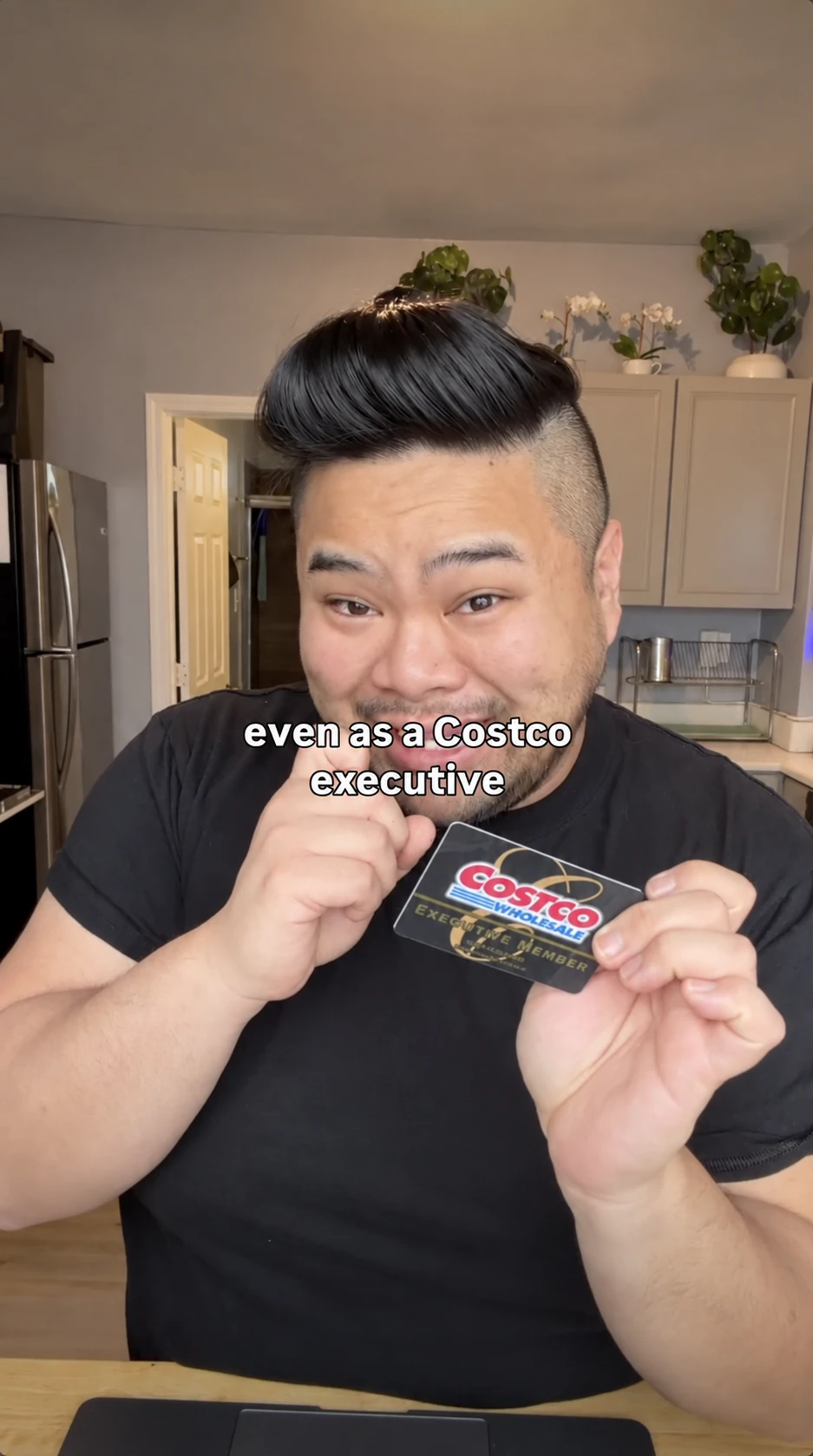
My Costco rental-car video led to a Washington Post interview about a price Costco Travel quoted for my Los Angeles trip, with follow-up coverage from The Independent and Yahoo.
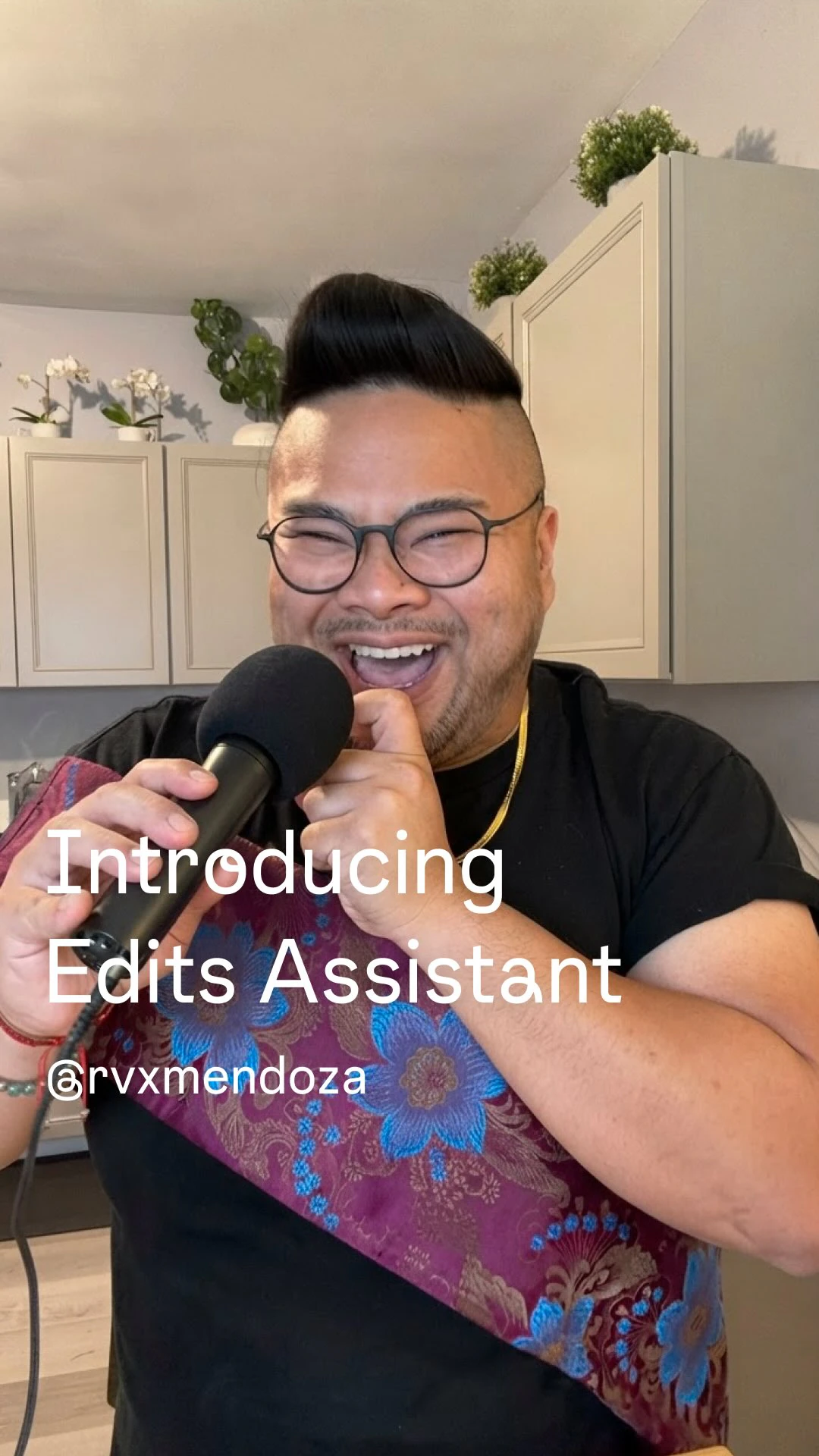
My new Instagram brand partnership explains how Edits assistant can help creators read their insights and turn performance patterns into ideas for what to make next.
IMDbPro’s new Digital Creator profession recognizes careers that now move between social platforms, streaming, production, and entertainment work.
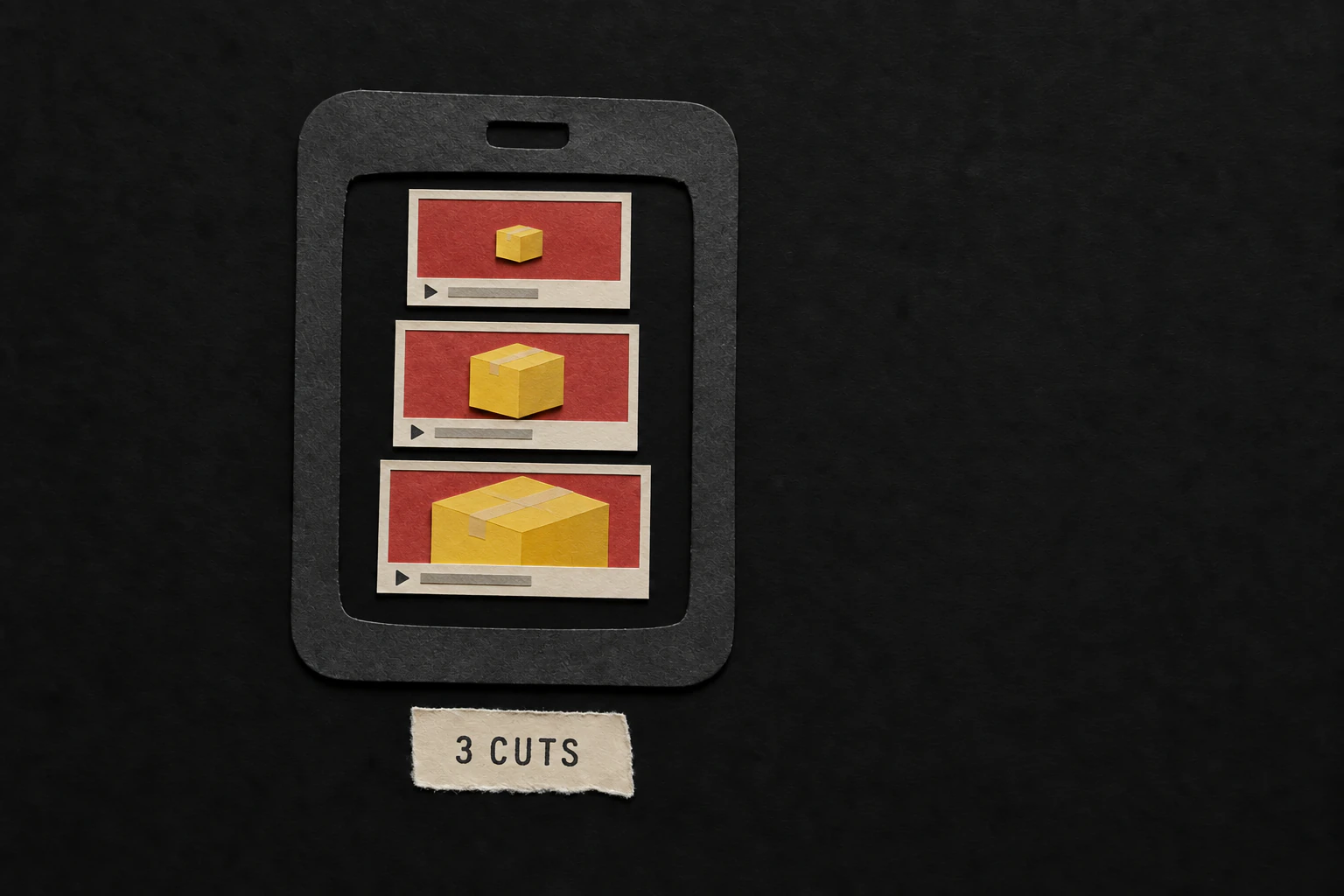
YouTube’s new video A/B testing gives creators and brand partners a clearer way to connect the brief, the edit, and the audience response.
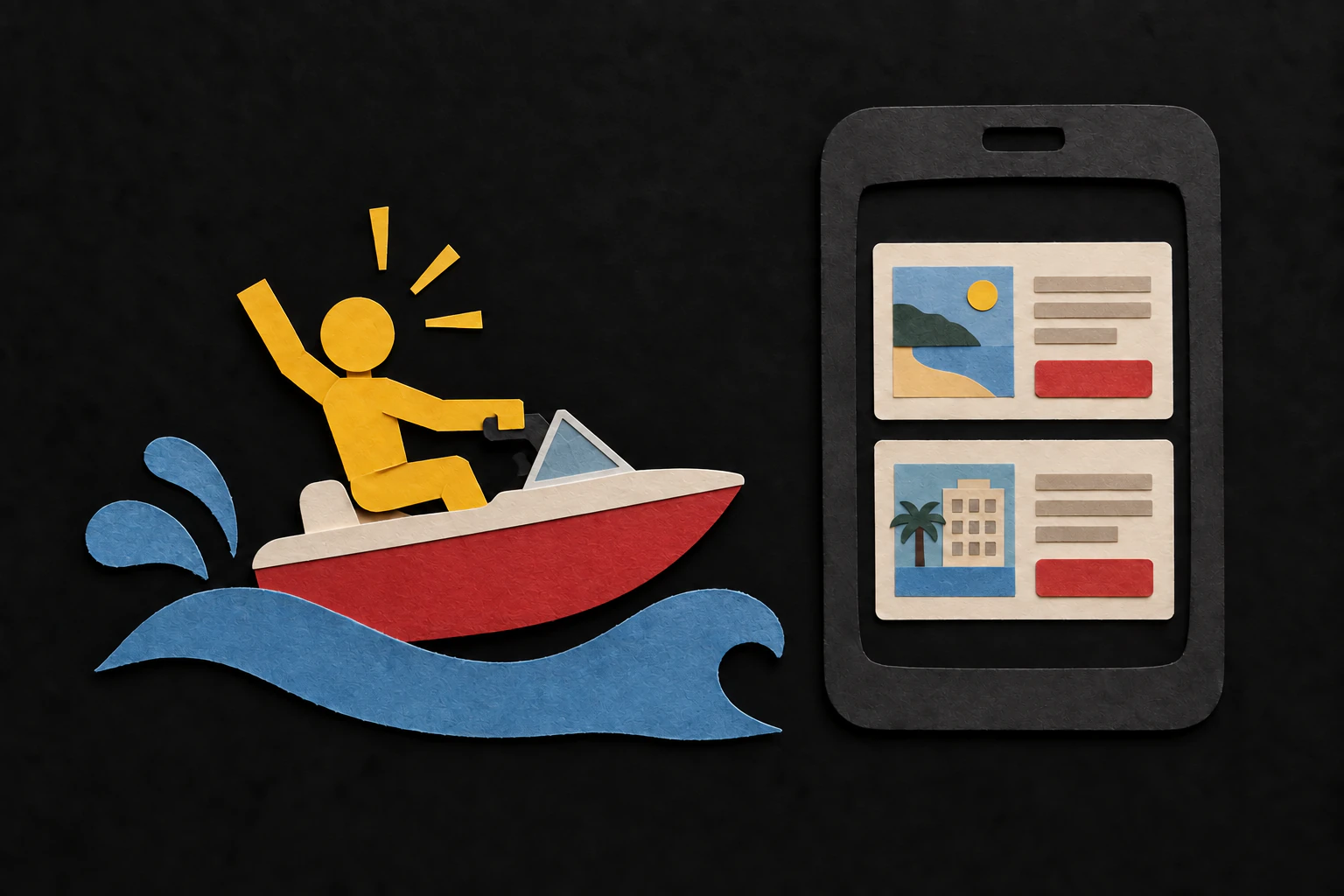
Expedia gave IShowSpeed room to make the content his way, then put the activities and booking details on a site built for interested viewers.

A lawyer can help a creator negotiate a deal, protect existing work, set up a company, handle copied content, and understand what a contract gives away.
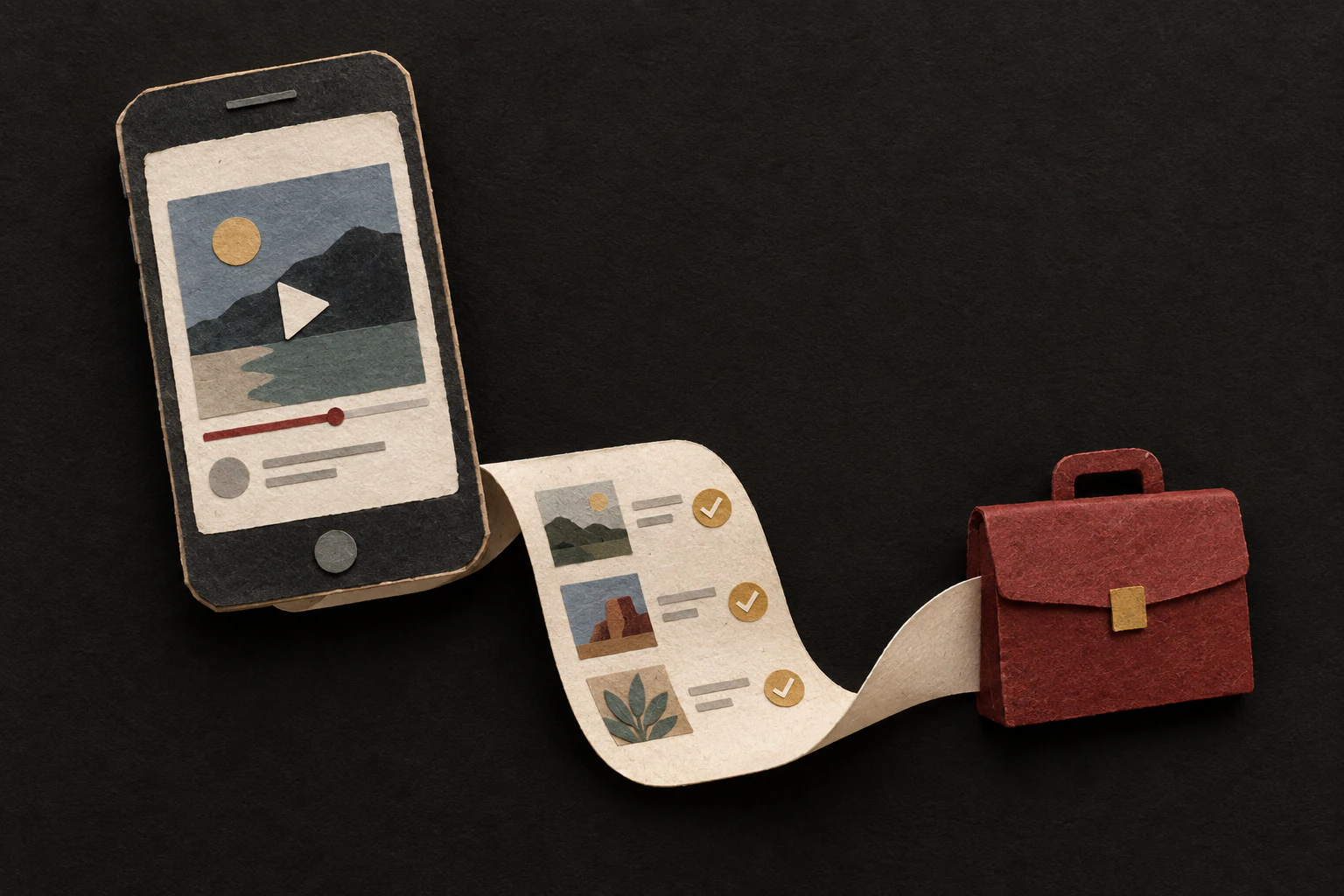
Public analysis of completed creator work can show a prospective brand how the creator makes decisions before the first call.
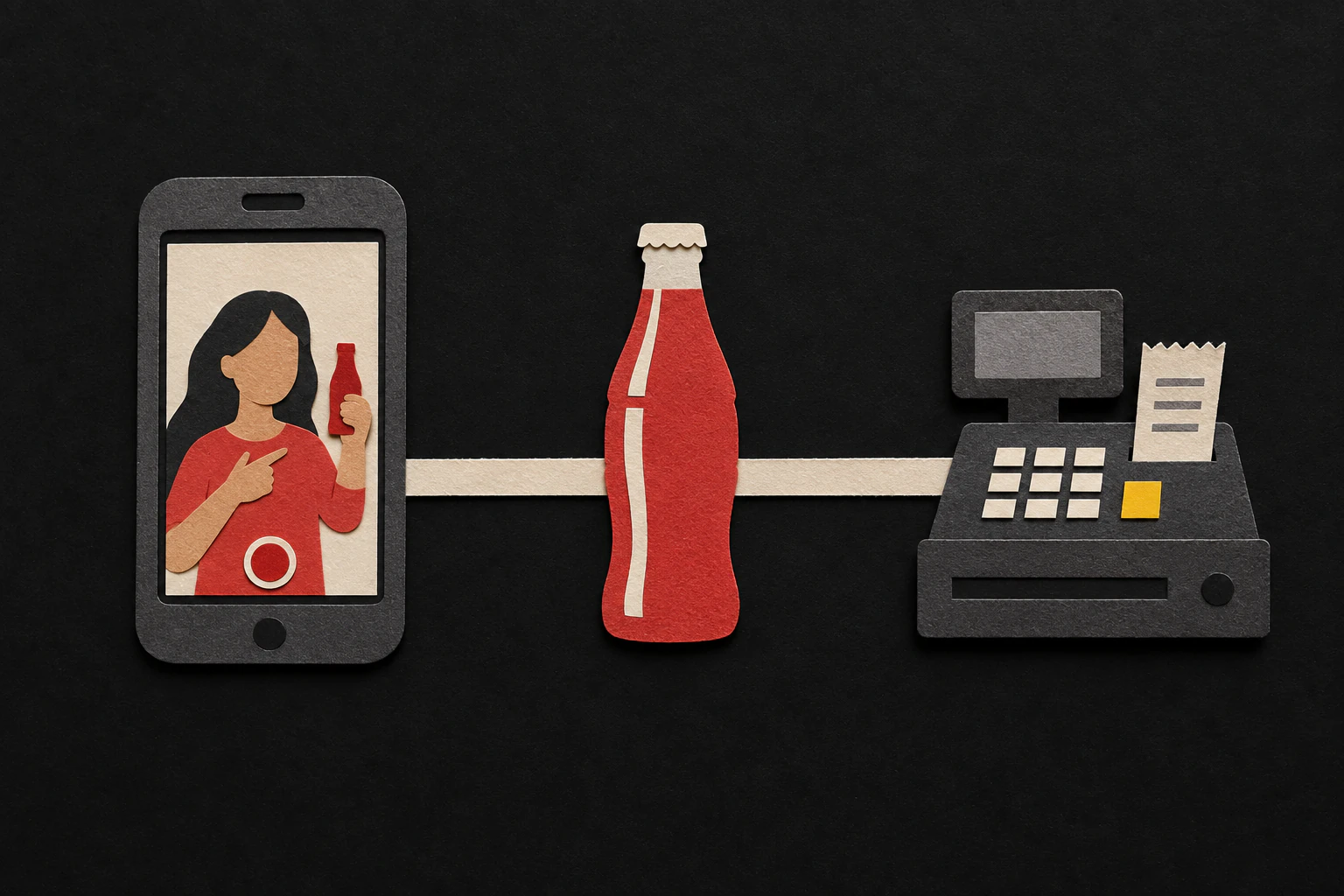
Coca-Cola’s agency review shows why creator briefs and case studies should connect the creative work to the behavior a campaign aims to influence.

Creator representation agreements need clear boundaries around commissions, existing intellectual property, licensing, and business revenue.

Comments that complete a recurring joke can show a brand that viewers understand the creator’s format and know how to participate.
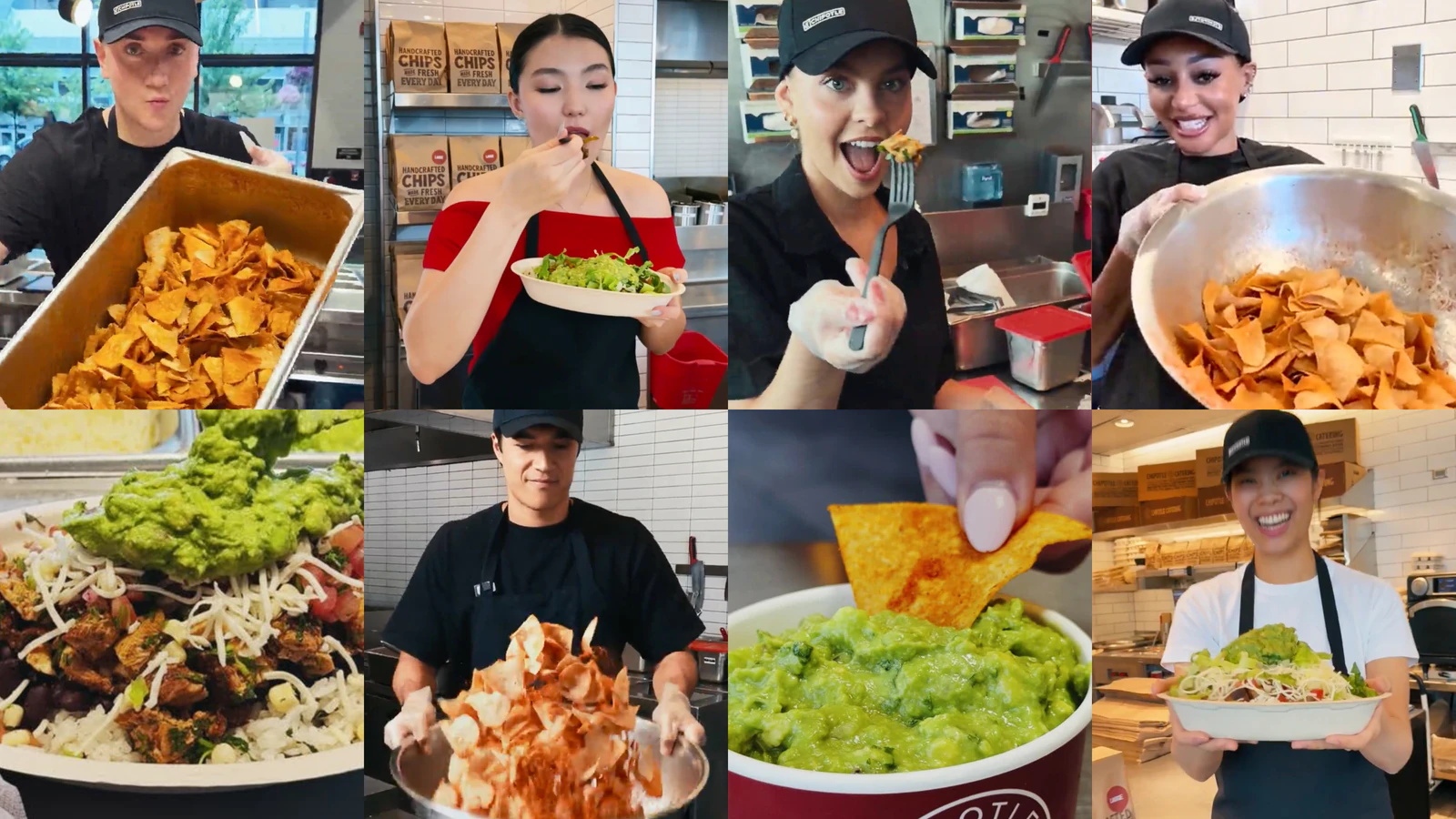
Chipotle cast 100 creators for the way they make things, then built its national Behind the Foil campaign from their footage.
A defined media schedule can give brands the usage they expect to need while giving creators a clearer way to price the license.
A New Jersey creator study shows why a Detroit creator’s knowledge of the city and the Midwest matters in a local brand campaign.
Matt Wolfe's OpenAI sponsorship contract defines his paid obligations while preserving his ability to criticize the company in his ordinary coverage.

Recurring audience behavior can show a marketer whether people understand a creator’s format and want another installment.
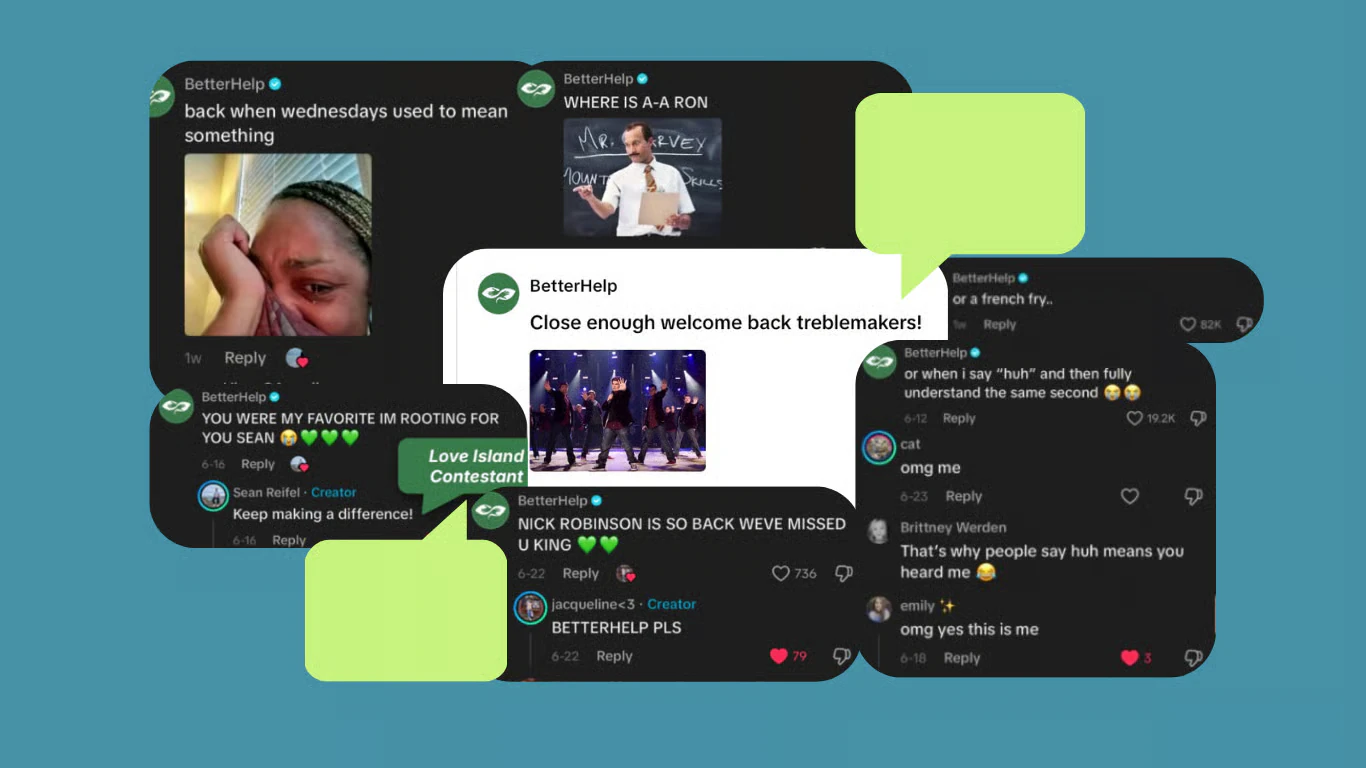
When a brand wants to join the comments under sponsored creator content, the voice, boundaries, and approval process belong in the brief.
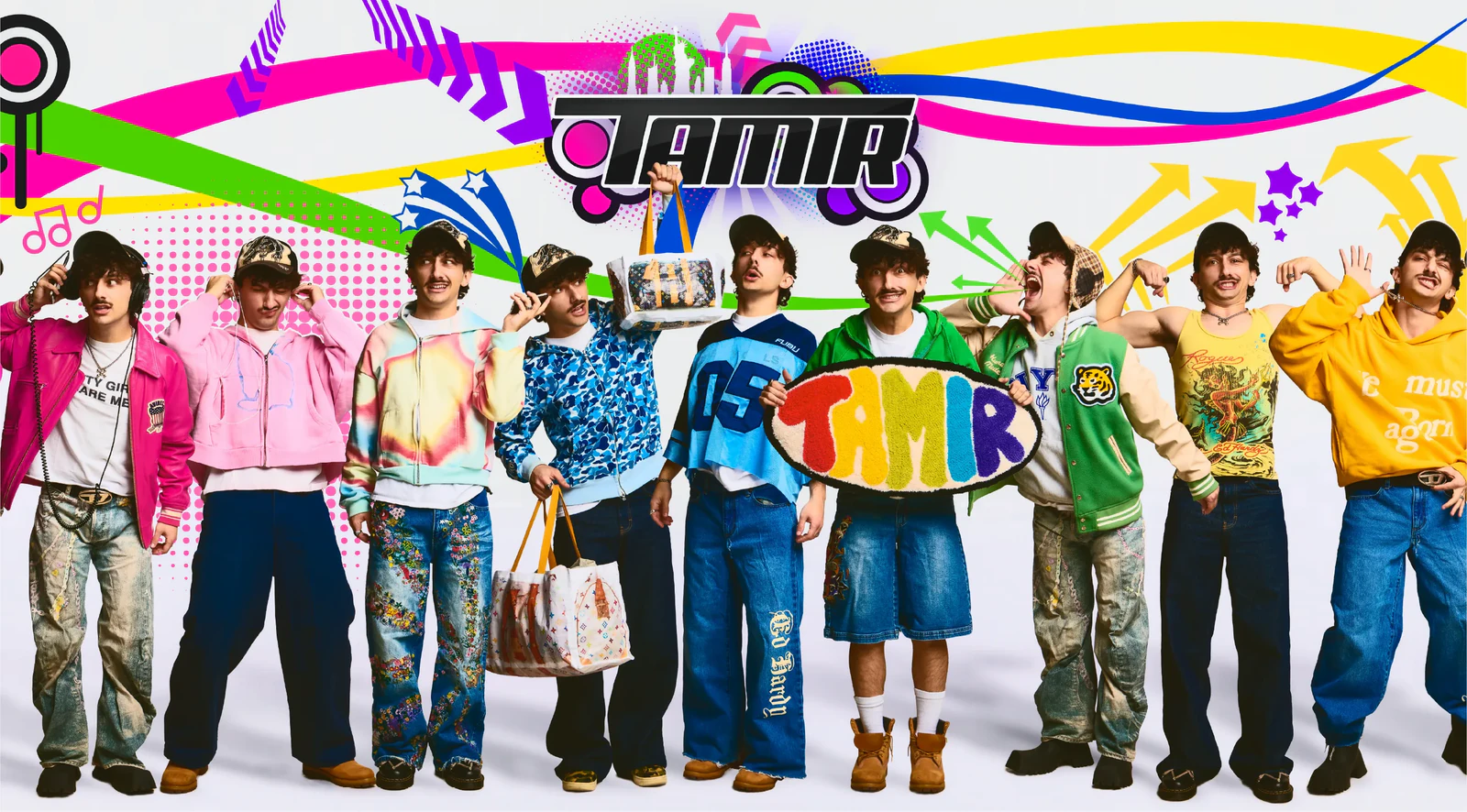
Before changing a creator’s visual details, brand teams should know which recurring choices make the format recognizable.
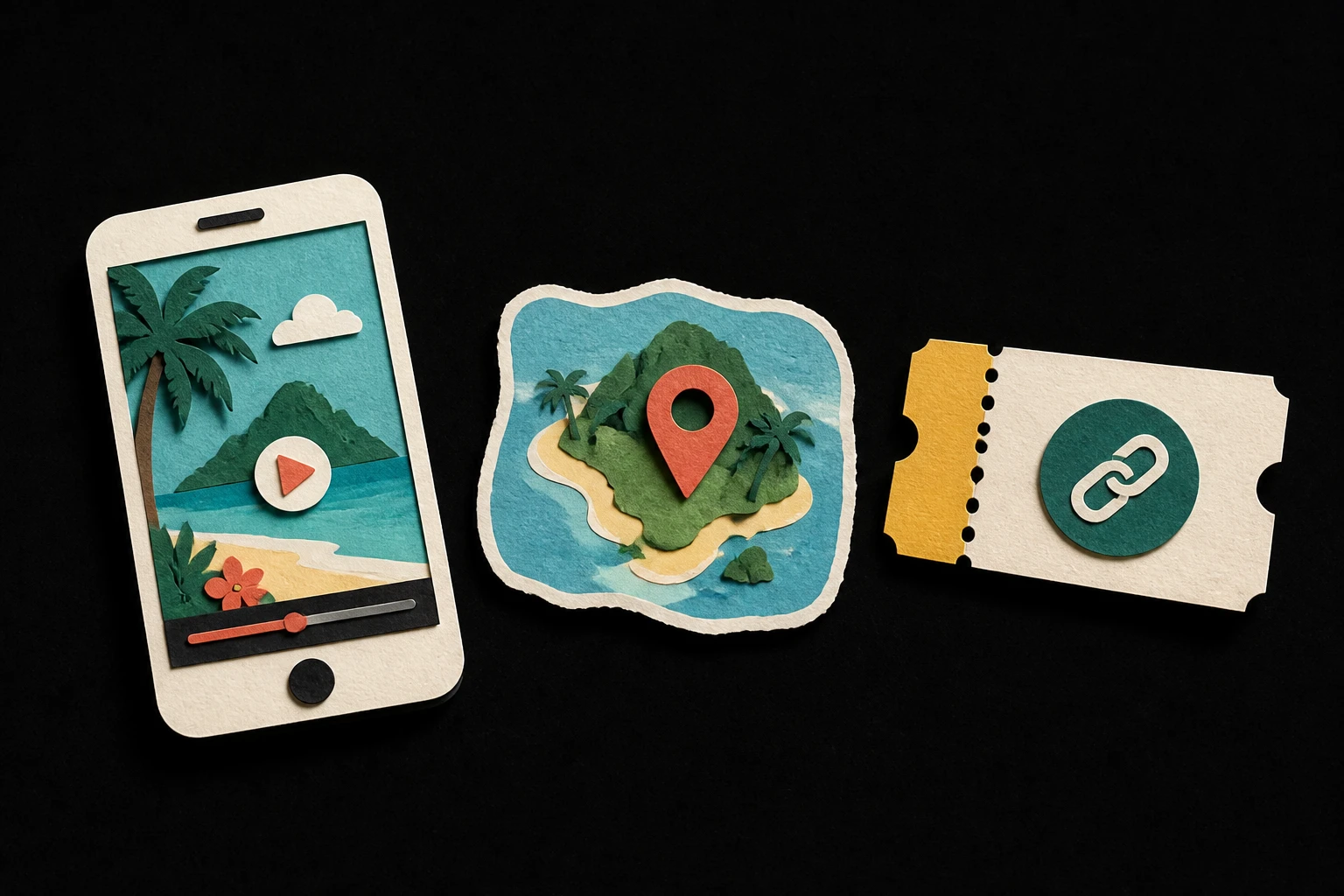
Travel campaigns should define the creator’s production work and any booking attribution requirements before the contract stage.
Start a Gen Z creator brief with the audience’s current relationship with the brand and the response the campaign needs to influence.
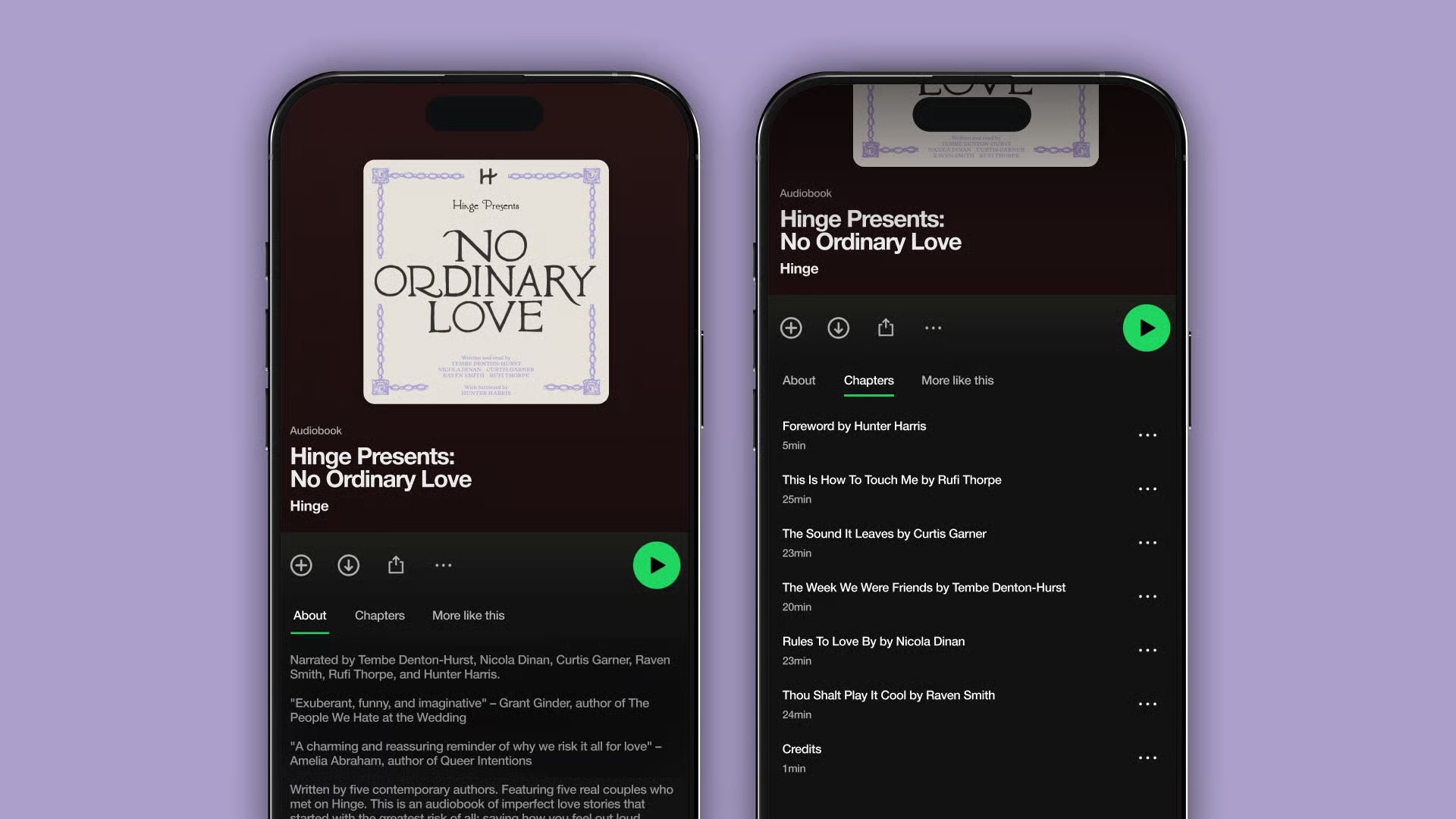
Hinge’s recurring love-story campaign shows how one durable idea can take on new formats and collaborators over time.
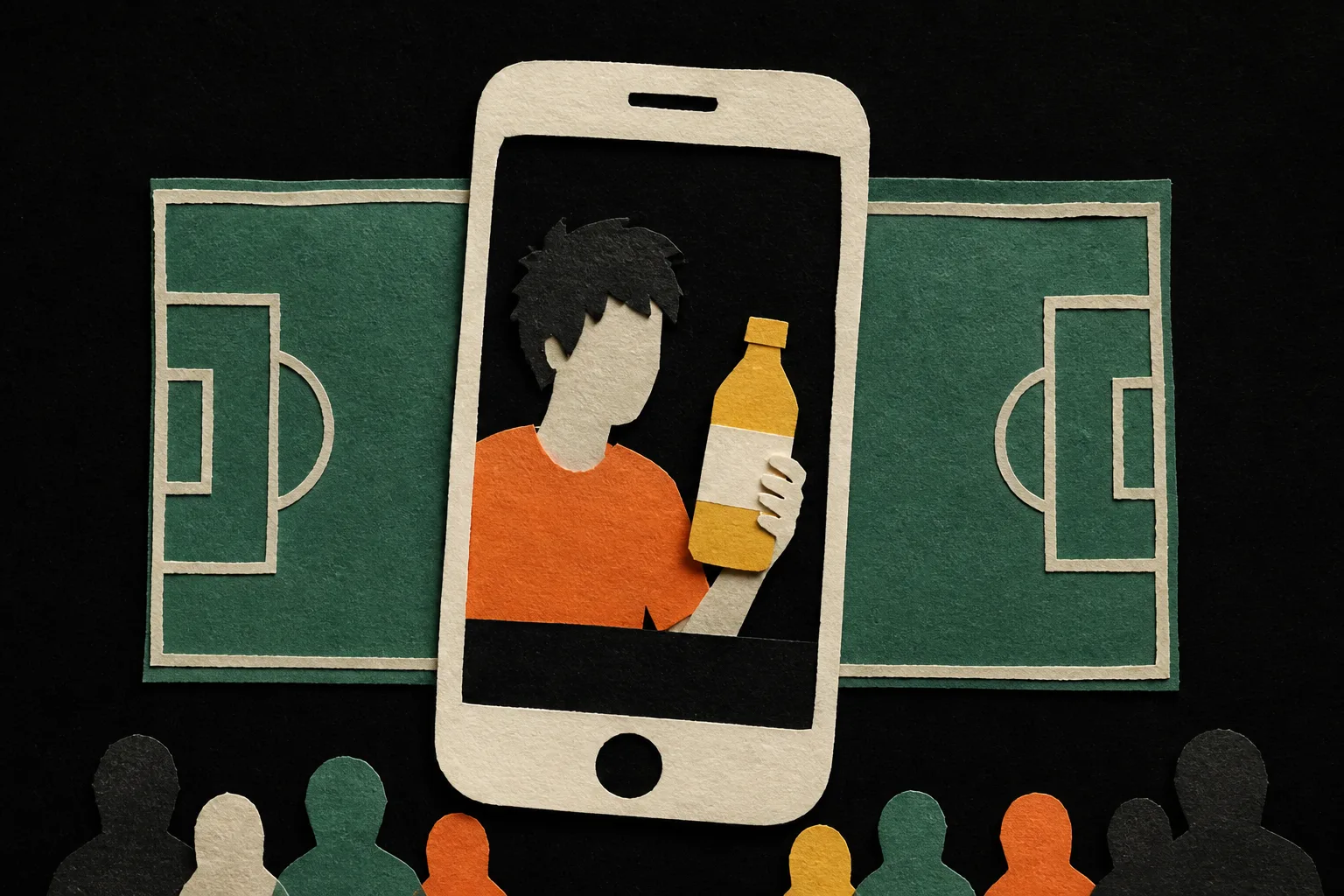
World Cup hydration-break ads point to a useful question for creator campaigns: where can a product enter a story without losing the audience?

CreatorIQ data on TikTok, Instagram, and YouTube shows why creators should track the business value of each platform separately.

Public filming rules are becoming part of creator briefs and contracts as brands consider who can end up inside sponsored content.
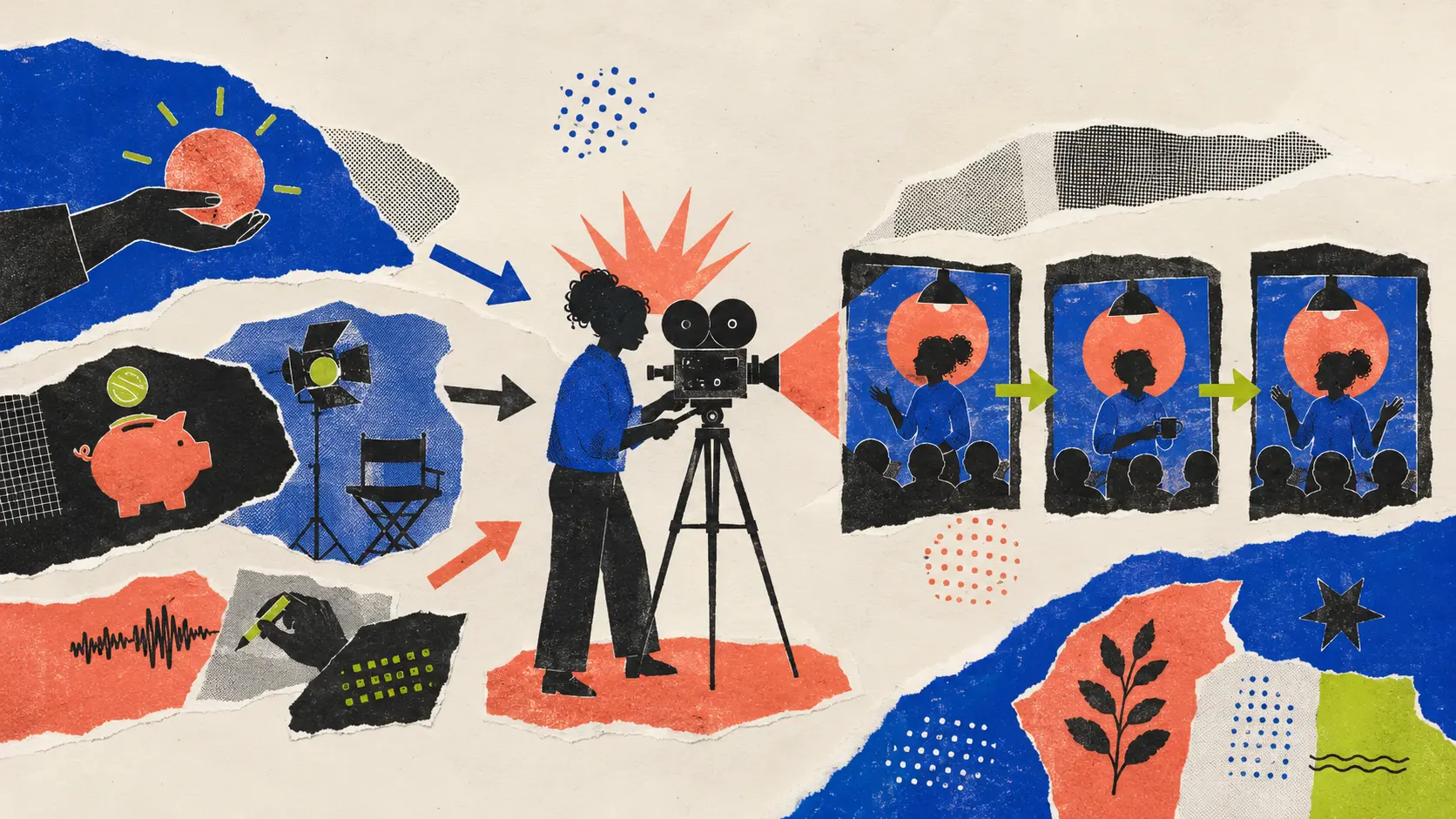
Brand budgets are moving beyond sponsored posts and into recurring creator formats, raising bigger questions about development, distribution, and ownership.

How creator audience feedback can give companies useful market intelligence alongside content and distribution.

Why creator briefs should let the opening establish a premise before asking the product to enter the story.

When creators help shape a campaign before production, that strategic work should appear in the scope, timeline, and fee.

A strong creator brief sets one clear message, separates requirements from preferences, and gives creators freedom within the framework.

A resilient creator strategy prepares for platform volatility by investing in people, distinct communities, and ideas that can travel.
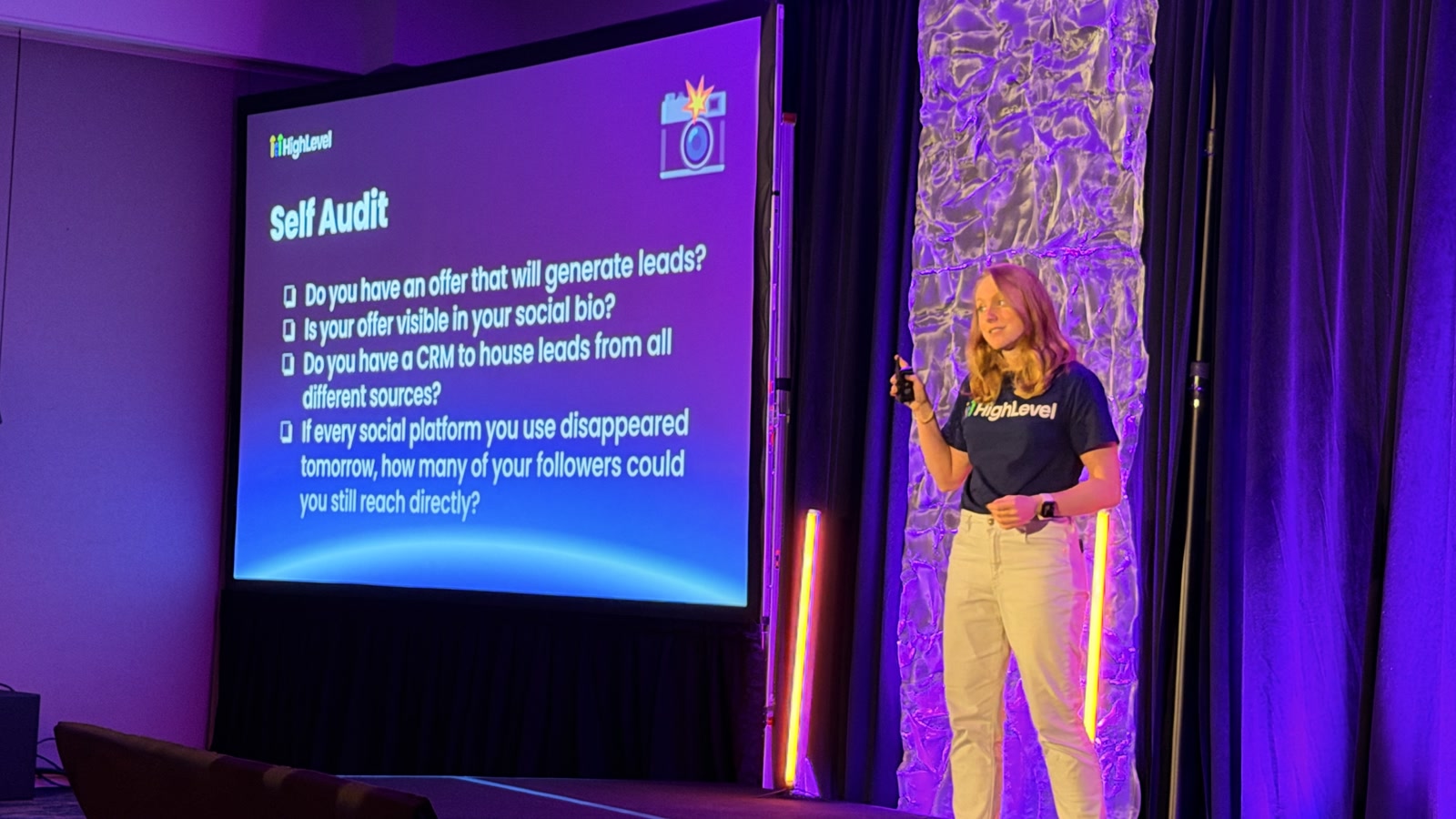
AI can make a creator business more sustainable by organizing leads, improving follow-up, and automating routine administrative work.
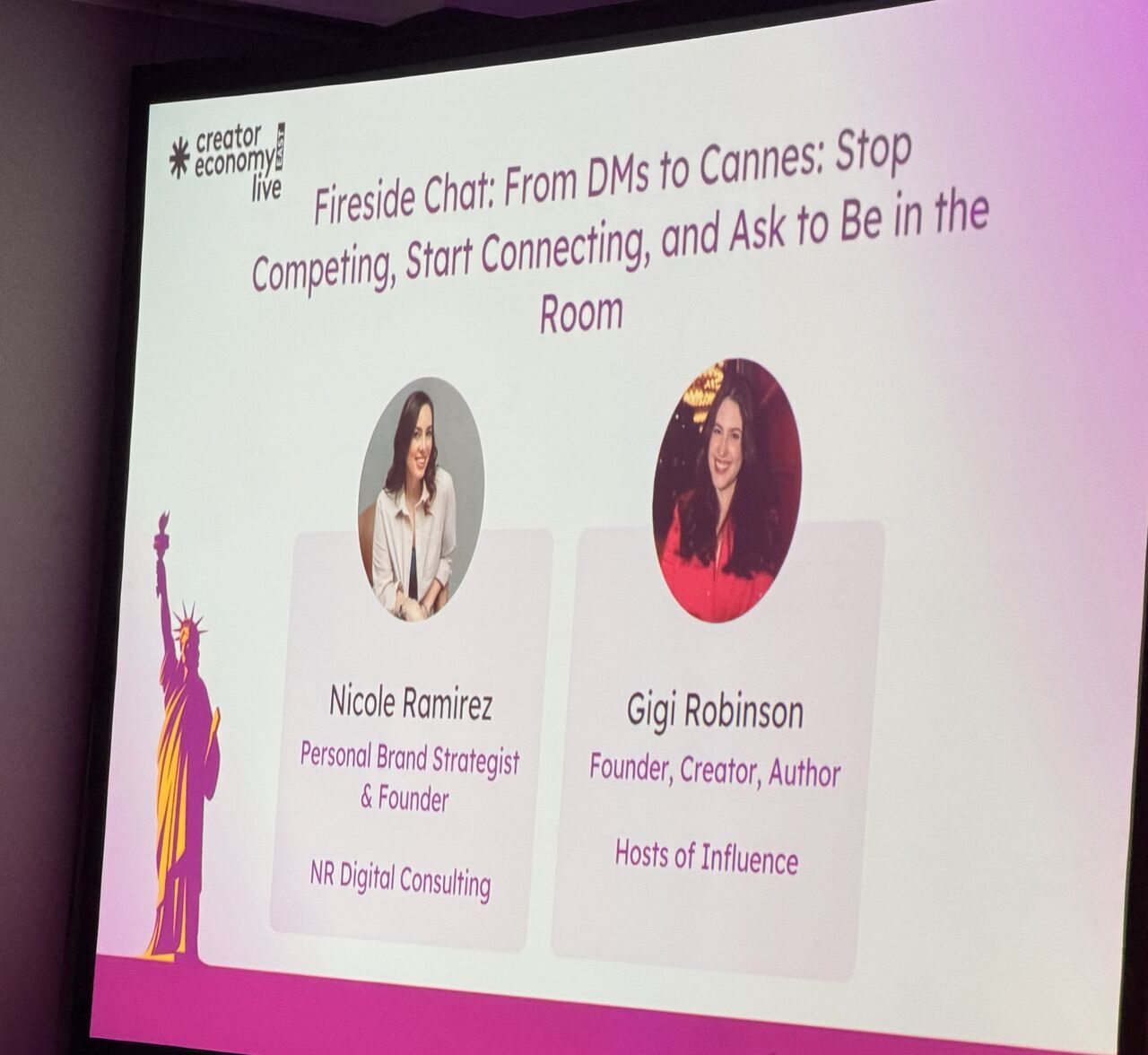
Creators can find more opportunities through personalized outreach, specific asks, respectful follow-up, and generous professional relationships.
My Creator Economy Live East takeaways on briefs, long-term partnerships, platform resilience, AI systems, and asking for opportunities.
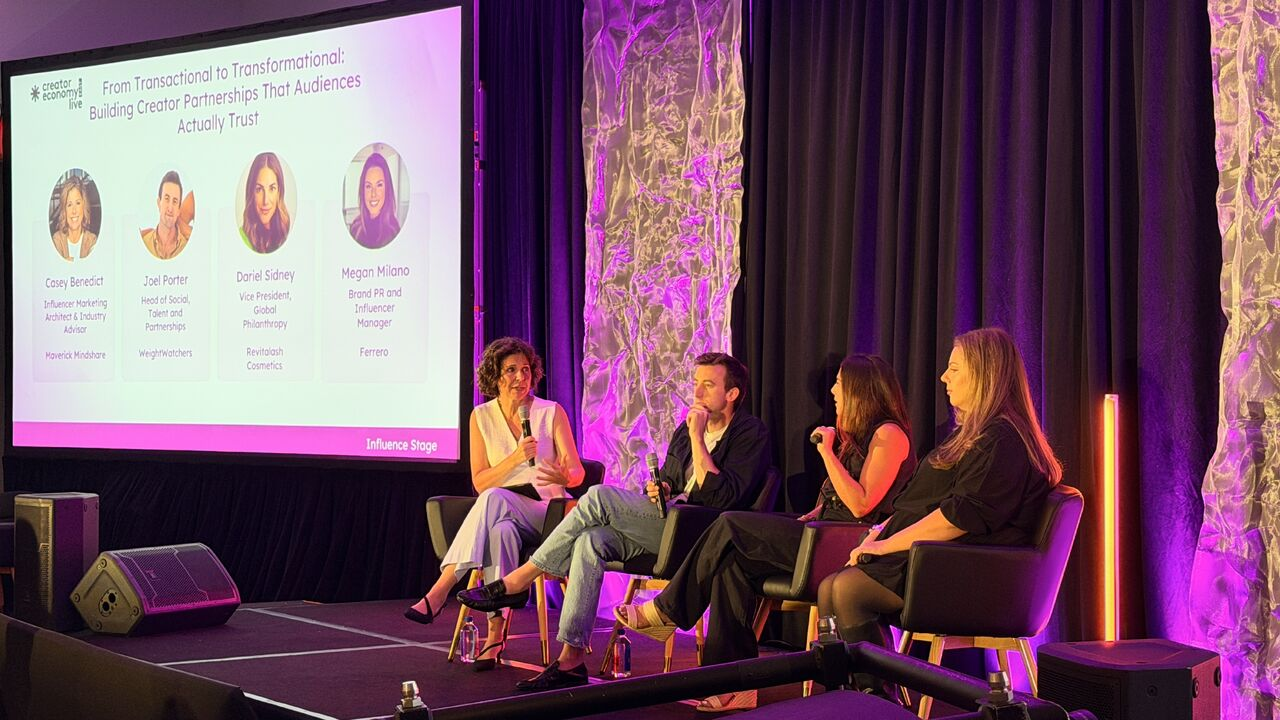
Long-term creator partnerships build trust when brands cast for genuine connection, create shared value, and measure the conversation around the work.
The strongest creator partnerships define goals, roles, usage, and approvals before feedback begins, giving creators room to make better work.

Creator summits give brand partners enough context, access, and familiarity to make coverage that feels specific instead of interchangeable.

YouTube estimates its U.S. creator ecosystem contributed more than $60 billion to GDP in 2025. I compare that scale with the costs and collaborators around my own work.
Why effective brand integrations work within a creator’s established comedy format instead of interrupting the story for a product demonstration.

Why creators building durable businesses need intellectual property, repeatable systems, distribution, and assets beyond audience size.
Just when you got a handle on one thing, here comes Instagram TV. Here are five ways conferences can use it.
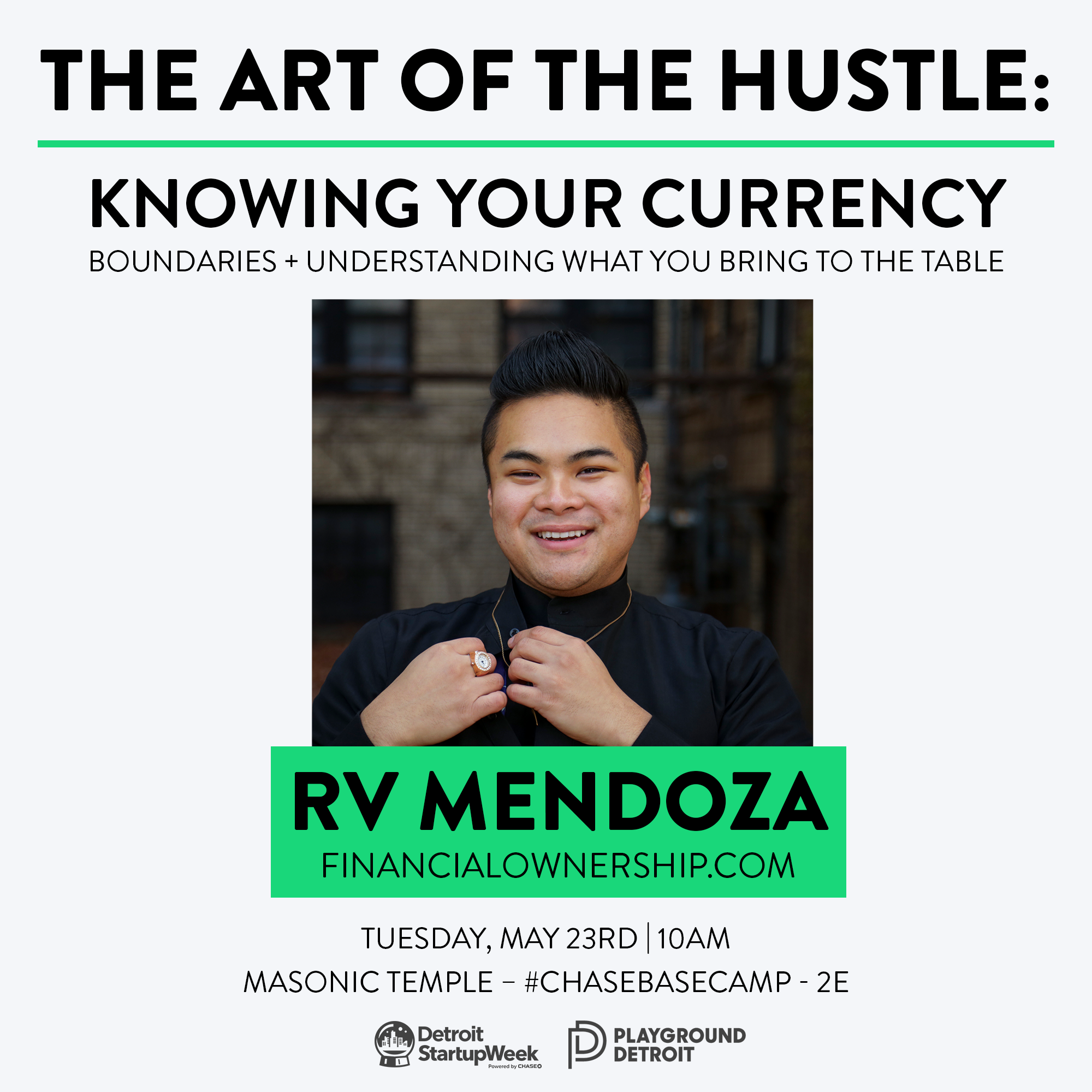
Know what you bring to the table, so you can stop becoming bitter and start becoming better.