YouTube Will Let Creators Test Three Cuts of the Same Video
YouTube’s new video A/B testing gives creators and brand partners a clearer way to connect the brief, the edit, and the audience response.
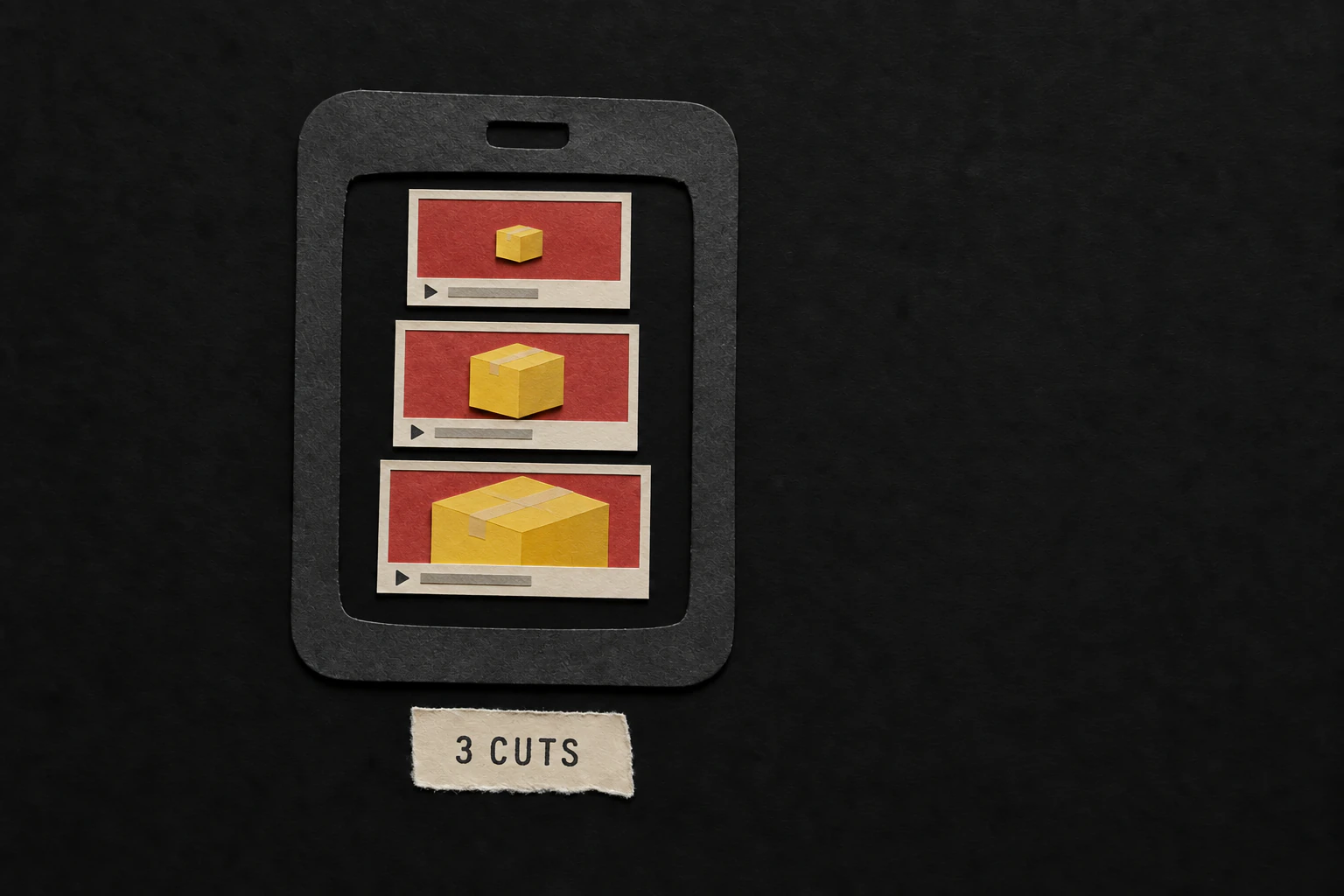
YouTube is about to let creators test up to three cuts of the same long-form video to see which one holds attention better.
Syd Cohen at The Publish Press got an advance look at the Made On YouTube features. Creators will be able to compare different hooks, pacing, or storylines instead of stopping at titles and thumbnails.
YouTube says the feature is coming soon. The company has described the test as a way to see which hook performs best, although it has not announced the full rollout details.
Watch YouTube Creators explain video A/B testing, starting at 5:32.
I care about this for Instagram because the opening and pacing are creative decisions I want room to make inside a sponsored Reel.
When I review a brief, I need the campaign objective and required product information stated clearly enough that I can build the format around them. The brief tells me what the audience should understand or do. I decide how the video earns their attention long enough to get there.
That may mean moving the product demonstration earlier, cutting an explanation, or giving the joke another beat. Those choices affect retention, and video-level testing can show how viewers respond to them.
My Better Than Everyone series is about the superiority people feel over random, ordinary things. The premise stays recognizable even when the thing I am talking about changes.
Sometimes the random thing is a product. A useful integration gives me something specific to do with it: cook the meal, use the feature, compare the result, or turn a product claim into the reason the character feels superior.
A useful brief states the objective and required product information, then leaves room for the creator to write the hook, choose the beats, and make the product part of what happens in the video.
YouTube is adding more structure to brand partnerships at the same time. Ask Studio will help creators tailor responses to briefs and build proactive pitches. After a partnership video goes live, a one-click code can give the brand access to its performance and let the brand put paid media behind it through Creator Partnerships Boost.
The brief establishes the goal and the information the audience needs. After the creator makes the video, performance data can show where people stayed and which version held their attention.
I would use those results to discuss the creative choices with a brand partner. If one opening keeps more people watching, we have evidence about the hook. If two versions perform about the same, the creator can keep the cut that best serves the story or product.
Thanks to Syd Cohen at The Publish Press for covering the announcement and sharing an early look at the new tools.