Hinge Turned ‘No Ordinary Love’ Into an Audiobook
Hinge’s recurring love-story campaign shows how one durable idea can take on new formats and collaborators over time.
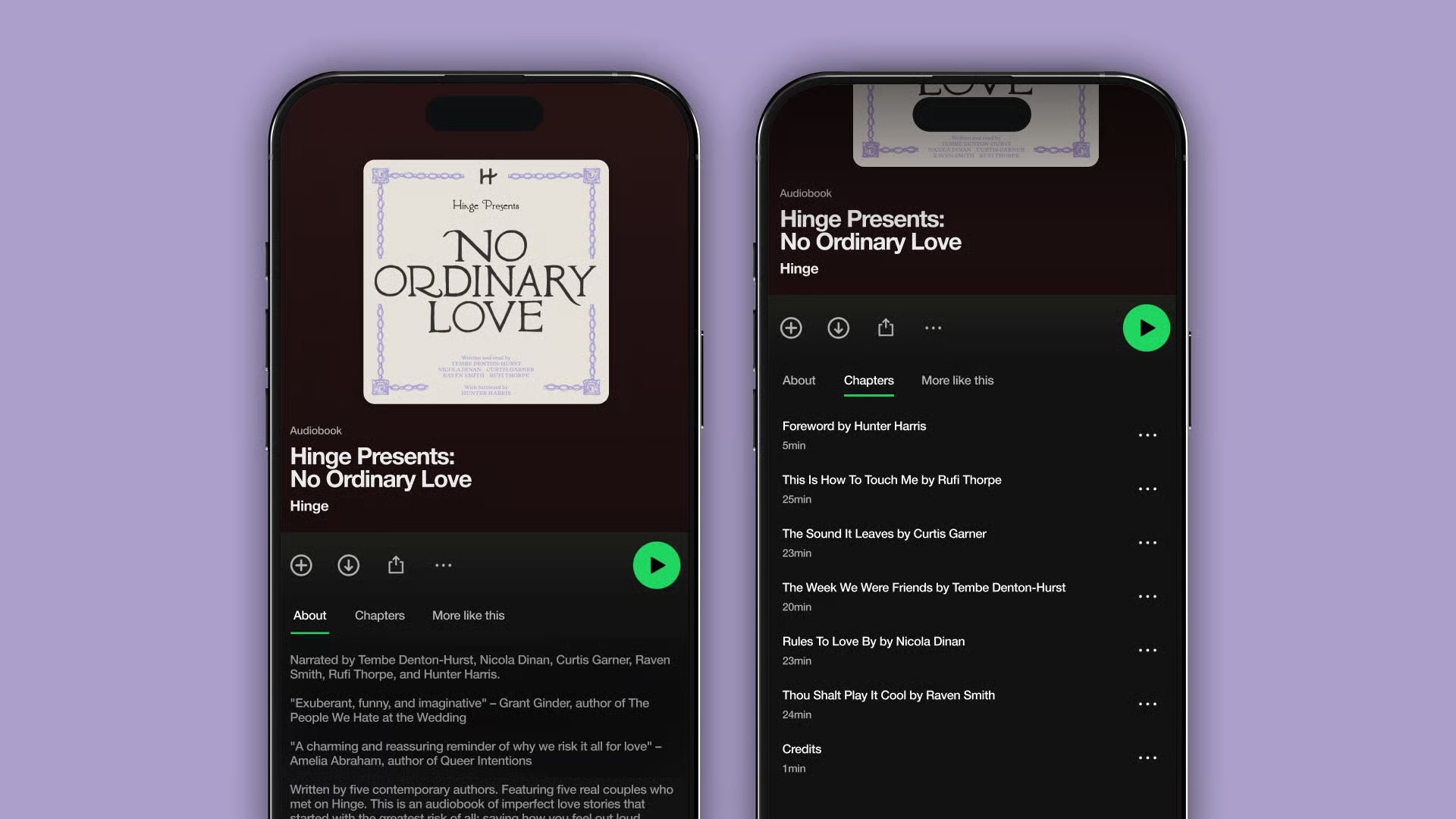
Hinge has kept one campaign idea alive for three years by changing the format around it.
“No Ordinary Love” begins with real couples who met on Hinge. The brand has previously turned those stories into physical books, zines, Substack stories, and a newsletter. This year, it has added an audiobook.
Katie Hicks reported for Marketing Brew that audio gives Hinge more room for emotional storytelling and reaches people who already spend time with the format.
The story stays recognizable while the experience changes
The source material is consistent: stories from couples who met through Hinge. Each edition creates a different way to spend time with them.
For the second iteration, Hinge published five love stories in print and on Substack. The project included writers such as Hunter Harris and Jen Winston. Marketing Brew reported in 2025 that Hinge saw those partnerships as part of its creator strategy, working with writers who already had credibility with the Gen Z audience it wanted to reach.
The audiobook carries that approach into audio. It gives the campaign another shape without asking the brand to rebuild its premise from scratch.
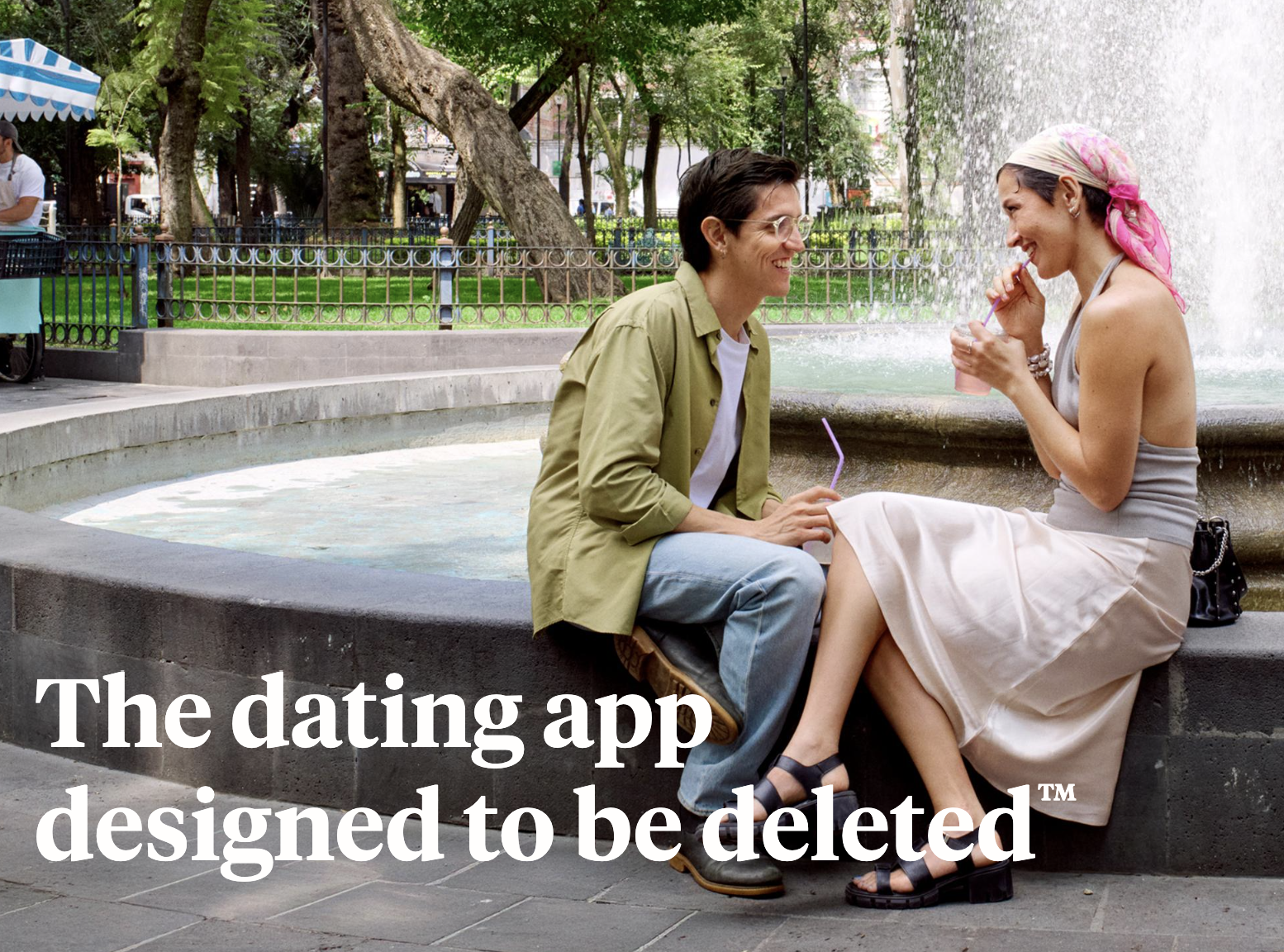
A campaign can be an editorial property
Hinge is treating “No Ordinary Love” more like an editorial property than a one-off ad campaign. The recurring idea leaves room for new writers, formats, and distribution while the central premise remains clear.
That opens up a more useful role for creators, too. A writer can shape a story for print. A narrator can bring it into audio. A social creator can introduce it to an audience in a short video. Each collaborator has a medium where their judgment matters.
Start a pitch with the idea, then map the formats
For a future pitch, I can begin with the first social deliverable and ask whether the concept has enough material to move somewhere else. A Reel might introduce a story. A longer video could spend more time with it. Audio or writing could carry a detail that does not fit in the first post.
That only works when the core idea can survive the move. Hinge’s real-couple stories give the campaign a durable source of material. The audiobook is one more way to experience it.
Brands often start a brief with the deliverables. Hinge’s approach offers a different starting point: find a repeatable story, then decide which formats give each part of that story room to work.
Thanks to Katie Hicks at Marketing Brew for covering this.