Why Brands Should Cast Creators, Not Just Contract Them
Long-term creator partnerships build trust when brands cast for genuine connection, create shared value, and measure the conversation around the work.
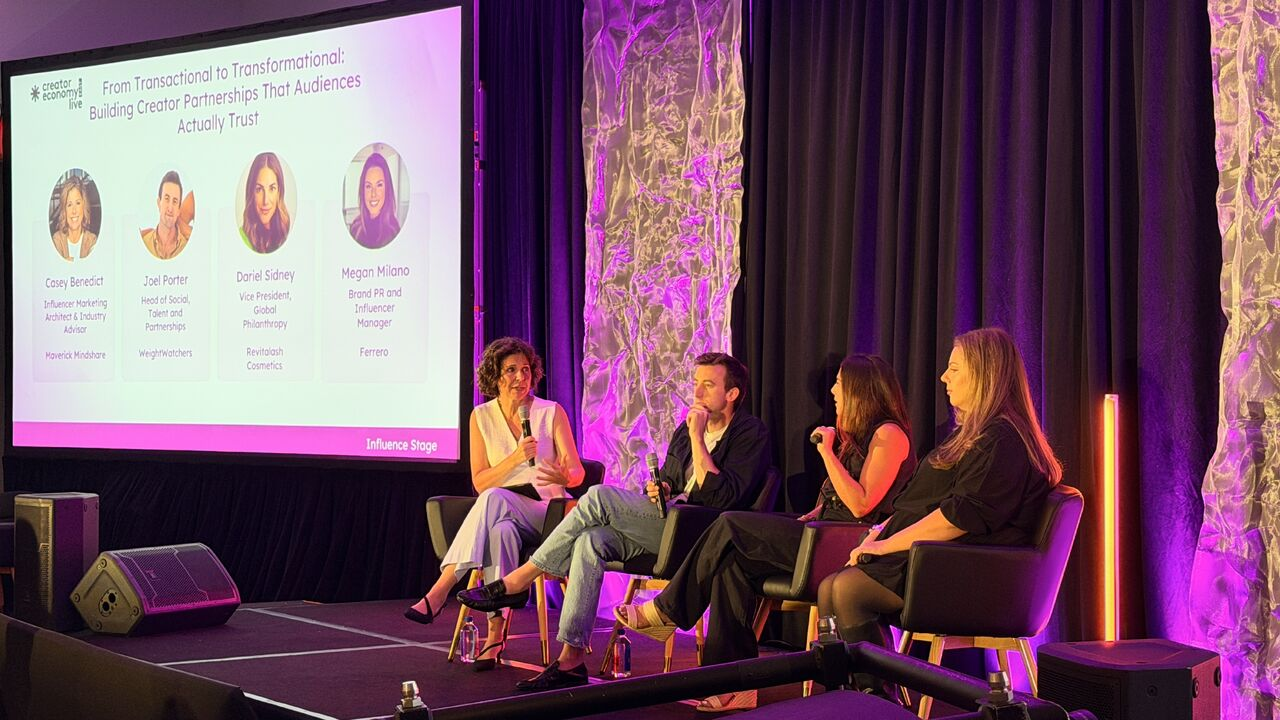
“Cast creators. Don’t just contract them.”
That line from Joel Porter captured a conversation I attended at Creator Economy Live East about moving beyond one-off creator campaigns.
A contract defines what a creator owes a brand. Casting asks a more useful question: Why is this the right person to tell this story?
The distinction matters because audiences can tell when a partnership begins and ends with a list of deliverables. A creator may follow the brief, mention every required point, and post on time. None of that guarantees the work will feel connected to the person sharing it.
Start with a real reason for the creator to care
The panel’s strongest ideas began before the contract. Brands should look for creators who already have a connection to the company, product, or purpose.
That connection does not mean the creator has to be a lifelong customer. It means there is a truthful reason for this person to participate. Their experience, interests, community, or point of view gives the partnership somewhere real to begin.
Dariel Sidney explained how RevitaLash Cosmetics’ founding mission gives creators a deeper story to participate in. Meeting creators in person also gives the brand and its partners room to understand the personal stories connecting them to that mission.
Joel described WeightWatchers’ approach as casting people with a genuine story to tell. That language comes from his earlier career in entertainment, where talent and casting taught him to look for the person who can make a story memorable instead of treating talent as interchangeable distribution.
In both examples, the creator is not interchangeable. The work depends on what that person brings to it.
Bring creators into the relationship
Long-term creator partnerships need more than repeated contracts. Creators benefit from a direct relationship with the internal brand team and a clearer understanding of the people behind the work.
That relationship can extend across content, events, products, and community. It gives both sides more opportunities to learn what works, develop ideas, and build familiarity over time.
It also creates value beyond the contracted deliverables. That value might be access, useful introductions, product feedback, creative opportunities, or a stronger connection to the brand’s wider community. The point is not to manufacture loyalty. It is to build a partnership that has reasons to matter between campaigns.
Megan Milano described creators as becoming friends of the wider Ferrero brand family. Someone who works with one brand may be invited to experience another without an attached deliverable or promise of future work. Some of those creators later post organically outside their contracts.
That unexpected value is not something a brand can demand. It can happen when creators feel genuinely included in a relationship they want to continue.
Measure the conversation, not only the first reaction
Immediate engagement can show how people reacted to a post. It cannot explain the full value of a partnership.
The panel encouraged brands to pay attention to the conversation and connection the work generates. Joel distinguished that from content people like or comment on before immediately scrolling past. What are people saying? Does the creator’s audience recognize why the partnership makes sense? Does the content give them a reason to respond, remember, share, or keep following the story?
Those signals are especially important in long-term partnerships. Trust is rarely created by one post. It develops as audiences see a creator return to a brand with new stories, useful context, and a consistent reason for the partnership to exist.
A creator strategy has to fit the brand
The panel also warned against copying another brand’s creator strategy when it does not fit your own audience.
A visible partnership may look like a formula from the outside: choose an ambassador, invite creators to an event, build a product collaboration, or sign a longer contract. But the format is not the strategy. The right approach depends on what the brand can credibly offer, what its audience cares about, and why a specific creator belongs in the story.
The most useful version of “casting” is not about finding someone who can perform a brand’s existing script. It is about choosing a creator whose perspective can make the story more specific, then building enough of a relationship for that perspective to matter.
That requires more patience than a one-off transaction. It can also produce something a contract alone cannot guarantee: a partnership the creator, the brand, and the audience all have a reason to believe.
Thanks to Casey Benedict, Dariel Sidney, Joel Porter, and Megan Milano for a practical discussion about building creator relationships with more depth and staying power.
Clear goals, roles, and approvals also give creators room to make better work.