Brands Are Starting to Fund Creator IP Like TV Shows
Brand budgets are moving beyond sponsored posts and into recurring creator formats, raising bigger questions about development, distribution, and ownership.
For years, brands have hired creators to make posts. The creator receives a brief, works the product into a video, publishes it, and moves on to the next campaign.
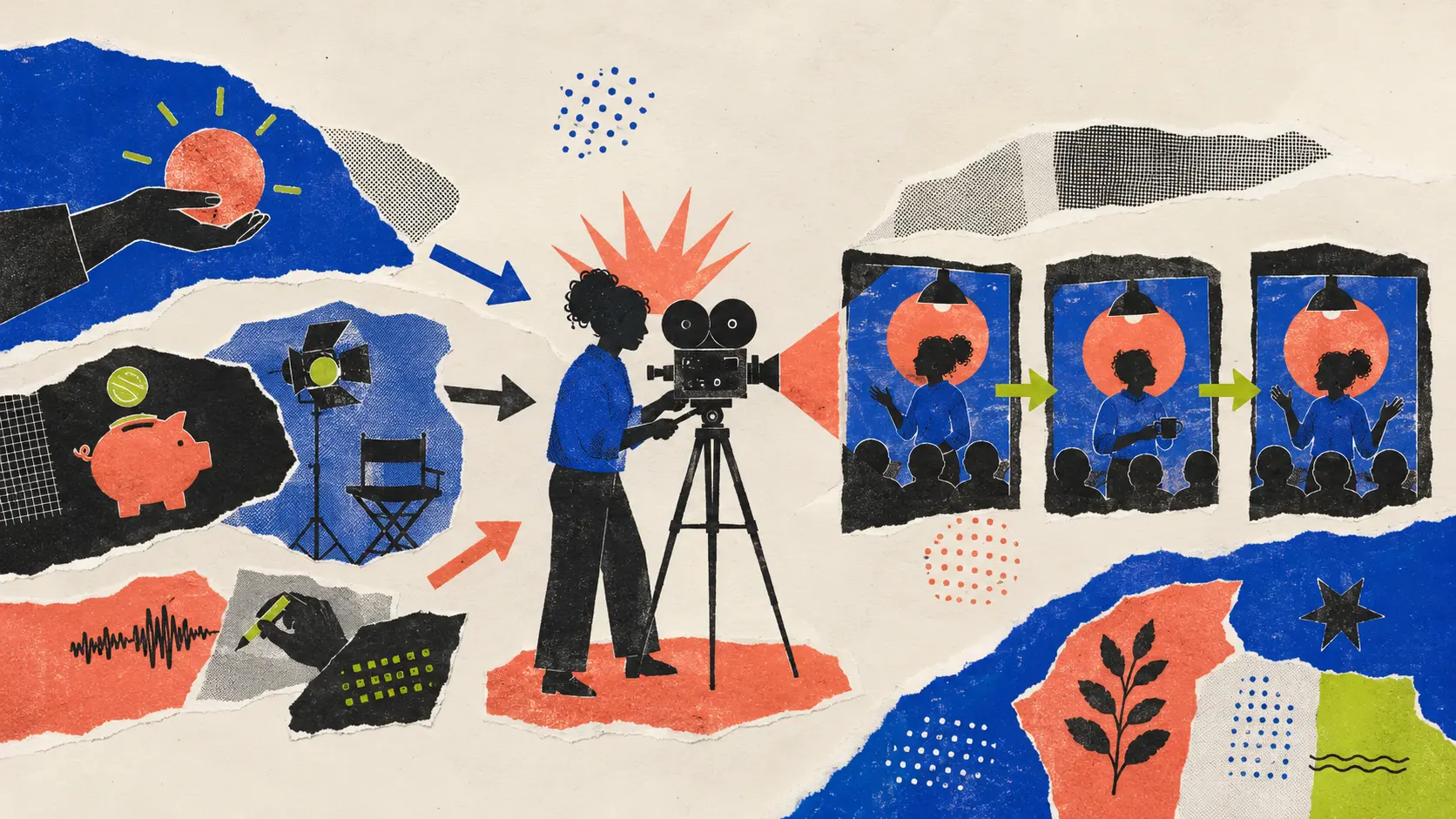
That model is expanding. Brands are funding recurring creator formats that behave more like entertainment shows.
Digiday recently reported that creator agencies are developing repeatable concepts with brand money behind them. SharkNinja has been investing heavily in creator-first projects with IF7. Virgin Media O2 backed StudioB’s six-part Spot a Fake Fan series, which grew from roughly 50,000 organic views to around one million views per episode. Videos connected to the series generated 43 million views across the wider YouTube ecosystem.
Those numbers are impressive. The structure interests me more.
The brand helped fund a format that could sustain multiple episodes. A recurring format has a premise, a recognizable point of view, and a reason for the audience to return. Each episode delivers a new situation inside a familiar world. The sponsor gets a believable role inside entertainment people chose to watch.
Some studios now develop ideas around the response a creator already gets from their audience, then bring a brand into the format. &Beyond Creators’ Studio reportedly has 10 to 12 concepts in active development. Its process begins with the creator and the existing audience.
Creators receive constant feedback about their work. We know which situations lead to comments, which characters people quote back to us, and which ideas viewers ask to see again. A strong series proposal turns those signals into a format before a brand enters the conversation.
Instead of promising six sponsored videos, the creator can explain how the central situation keeps producing episodes. The proposal can show where the sponsor belongs, how the format will reach viewers, and which pieces could carry into another season.
Distribution becomes part of development too. The team can decide where the series should live and how individual episodes will travel before production ends. Those choices shape the length, structure, casting, and creative from the beginning.
This is happening as routine parts of creator marketing become easier to automate. Sourcing, outreach, negotiation, and reporting require less manual work. Digiday’s reporting suggests that agencies are placing more value on strategy, creative direction, production, and intellectual property.
I’ve already been thinking about recurring series and original IP as assets around my creator work. A successful format can create value beyond one post because the premise remains useful. New episodes, sponsors, platforms, and seasons can grow from the same idea.
Brand funding can pay for development, better production, additional talent, and wider distribution. It also introduces ownership questions.
If a creator develops the premise and a sponsor pays for six episodes, the agreement should address what happens when the campaign ends. Can the creator produce another season with a different sponsor? Can the brand reuse the title or characters? Who controls adaptations, licensing, and distribution outside the original agreement?
A sponsorship agreement can distinguish campaign rights from ownership of the underlying concept. Development fees, production costs, distribution rights, exclusivity, and terms for future seasons all belong in the conversation. If the brand wants to acquire the format itself, the scope and price should reflect that.
The next proposal I want to build is a one-page treatment for an existing comedy or lifestyle format. It would explain the central premise, the source of new episodes, the sponsor’s role, and the rights that remain after the campaign.
Creators have spent years learning how to make individual posts perform. Now we can learn how to build worlds that brands can enter without taking them home.